
The cost of living apart
The cost of living apart crisis
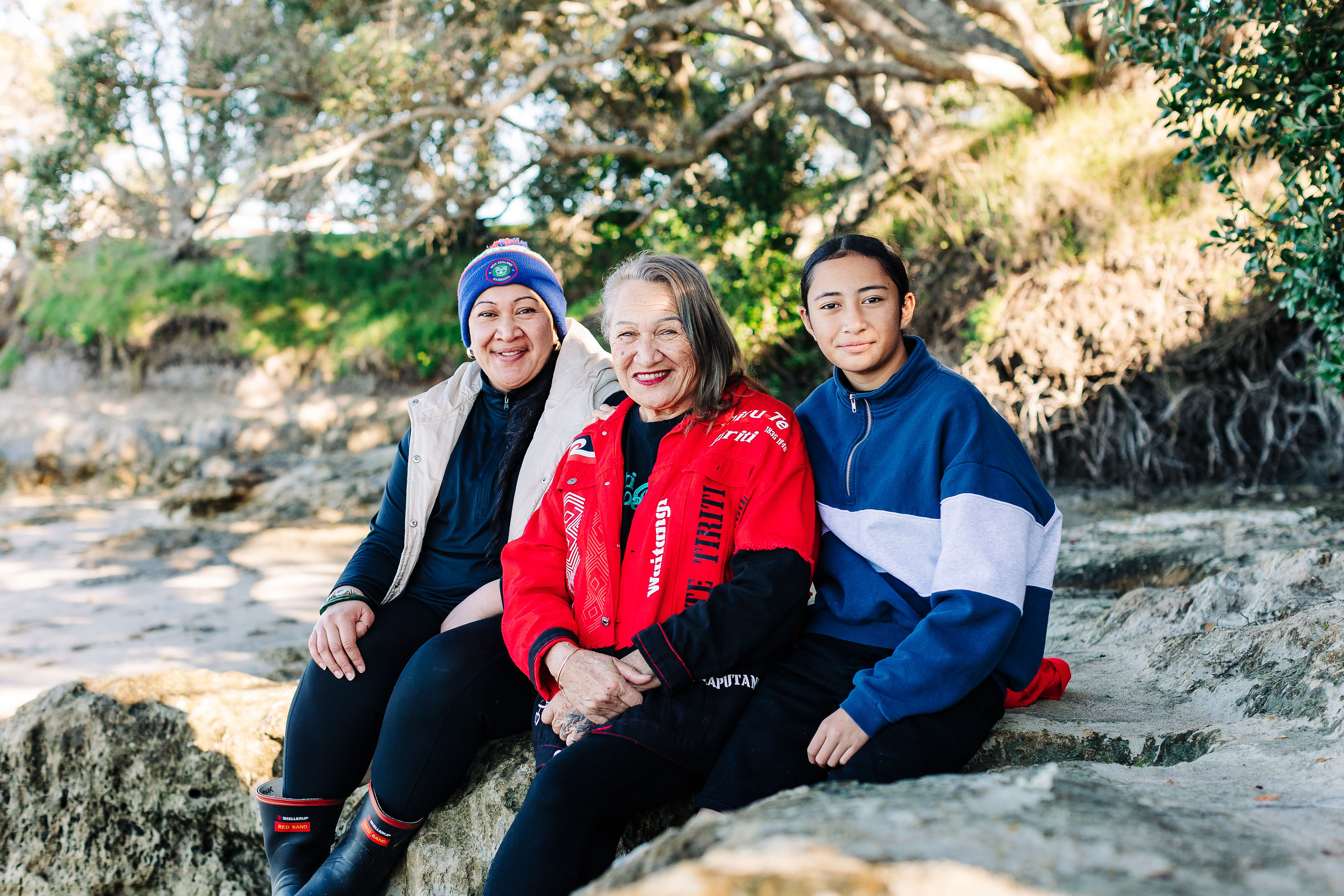
There seems to be a lot of kōrero right now about what it means to make “mokopuna decisions.” Mokopuna coming from the kupu “moko” (blueprint) and “puna” (spring), reminds us that our tamariki are living reflections of their kuia/ koroua and those that have gone before them. But what happens when our mokopuna grow up without their elders close?
In our mahi supporting hapū māmā and mātua taiohi we are seeing firsthand how those early years can be both very lonely and isolating when young parents don’t have wider whānau support to draw on.
Does making “mokopuna decisions” therefore also mean supporting those who stand beside and behind them, especially kuia/ koroua? Choices that whakamana our mokopuna requires us to strengthen not only the tamaiti, but the whole pā harakeke.
The cost of independence
Research confirms what our tupuna knew in that when kuia and koroua are present and actively involved, mokopuna thrive. In Aotearoa, tamariki who report positive relationships with a ‘special adult’ other than parents — often grandparents or other whānau members — have shown improved self‑regulation, stronger coping skills and greater trust in their relationships. These benefits flow both ways: Grandparents involved in the everyday lives of mokopuna report enhanced mental health, a stronger sense of purpose, and stronger wellbeing a- wairua and a- hinengaro. Resources like Tūpuna – Ngā Kaitiaki Mokopuna highlight that kaumātua see their role not only as caregivers, but as transmitters of tikanga, whakapapa, and cultural knowledge, which reinforces wellbeing across generations and strengthens the whole whānau.
However, kōhanga reo across Tāmaki tell us they are feeling the strain of not having elders closeby. At the recent Kōhanga Reo Hui- a-Motu in Tāmaki, kaiako and whānau shared how difficult it has become to find kuia/ koroua who can sustain the mauri of their kaupapa. Kuia/ koroua are, after all, the lifeforce and origins of kōhanga reo.
But many are no longer with us. Others are unwell, or still in paid work well into their seventies because of the rising cost of living in Tāmaki Makaurau. The idea of being able to spend time with their mokopuna has become a privilege, when it is a right.
Everyone’s talking about the cost of living crisis. But there’s another price we’re paying — the cost of mokopuna living without their kuia/ koroua. In our mahi, we see how fractured whānau support and insecure housing mean that many young parents are not able to benefit from the guidance and knowledge that kuia/ koroua provide. For example, one young māmā recently had to leave her mum’s house, due to social housing rules, with nowhere to take baby. While we were able to step in and support her and pēpi with transitional housing, furniture, and kai, this support can never fully replace the everyday teaching and wisdom that kuia/ koroua might be able to provide, if we looked at housing differently. Housing and healthcare are critical — but they are only part of what sustains a healthy pā harakeke. The presence of elders is something not every mokopuna today can experience, and we must find ways to restore it.
What the numbers say — and what they don’t
A new report from the Helen Clark Foundation projects that within 25 years, the number of people over 65 in Aotearoa will double. Māori and Pacific populations are ageing too — the number of Māori over 65 will double by 2029.
The report calls for a long-term strategy to plan for ageing — through housing, healthcare, and community design. Home ownership among older New Zealanders is falling fast, with just half of over-65s expected to own their homes by 2040.
But when policy refers to “elderly independence” — ageing in place, living alone longer — they miss something fundamental. For many Māori, independence isn’t the goal; interdependence is. Our wellbeing is collective. We don’t thrive in isolation — we thrive in relationship and policies that separate ageing from whānau life ignore this truth.
Yet most planning and funding models still treat ageing and the first 2,000 days as separate worlds. In our mahi we see how they are two ends of the same harakeke. The wellbeing of our tamariki is intimately tied to the wellbeing of their kuia/ koroua. When our youngest generations are well, housed, and supported, our eldest can enjoy that same security. Policy that cares for our elders must therefore sit alongside investment in the first 2,000 days.
Ngāti Pāoa papakāinga development
One way Ngāti Pāoa is addressing these challenges is through its papakāinga, Hine-nui-o-te-Paua at Ōmaru (Point England). As part of the recently passed iwi settlement, Ngāti Pāoa Iwi Trust will have returned a 2.0 hectare site for a papakāinga housing development, with a neighbouring 2.0 hectare site (Pāoā Whānake) for a marae complex. Over the past year, whānau have participated in a number of wānanga to help shape the design and future of these spaces. While highlighting the impacts of disconnection caused by generations of land loss, urbanisation, and high housing costs, Ngāti Pāoa building this papakāinga is a key part of their healing journey, providing a place where kuia and koroua can lead and guide, and where young whānau can stay connected, supported, and resilient on their own whenua.
Restoring the pā harakeke.
For the many whānau Māori of which “pa life” isn’t an option, there are other housing options that may be compatible for intergenerational structures- co-housing, tiny homes, multigenerational units, and granny flats. Yet barriers in Tāmaki Makarau are significant like zoning restrictions, consent costs, and developer profit models which continue to favour stand-alone homes and these are not designed with intergenerational wellbeing in mind. The government’s recent move to make it easier to build granny flats is a positive step. But what we really need is a shift in vision: one that sees intergenerational housing not as an exception, but a priority in us returning to who we are.
Towards interdependence
When young parents and their pēpi are supported by a village, they tell us that it gives them confidence to connect with their culture, reclaim their whakapapa, and feel a sense of belonging. These are the springs in which future generations see themselves, and they flourish only when the environment supports them.
When we design what the next 100 years looks like for our mokopuna, we must design with their kuia/koroua in mind too. When we plan housing, it must reflect the values and realities of both our young whānau with their kuia/koroua. And when we talk about the future, we must see it as shared — not divided by age or reanga.
If mokopuna are the springs in which we see ourselves, the flourishing of that spring depends on how we care for whānau across generations.